
Carol Raines Brown Seeks West Basin Municipal Water Board Division 2 Seat


Los Angeles October 8th-- Water board elections rarely get the attention given to city councils, school boards, or statewide races. Still, the decisions made by water districts show up in daily life, from the reliability of tap water to the long-term costs of conservation, recycling, and infrastructure.
That is why the entry of former Inglewood Unified school board President Carol Raines Brown into the race for the West Basin Municipal Water Board Division 2 seat matters. Her candidacy brings a familiar local public servant into a specialized race that touches public finance, climate planning, and neighborhood quality of life.
Brown is best known to many residents through education governance. A water board campaign asks a different question: how does experience in public oversight, budgets, and community accountability translate to the management of one of the region’s most essential resources?
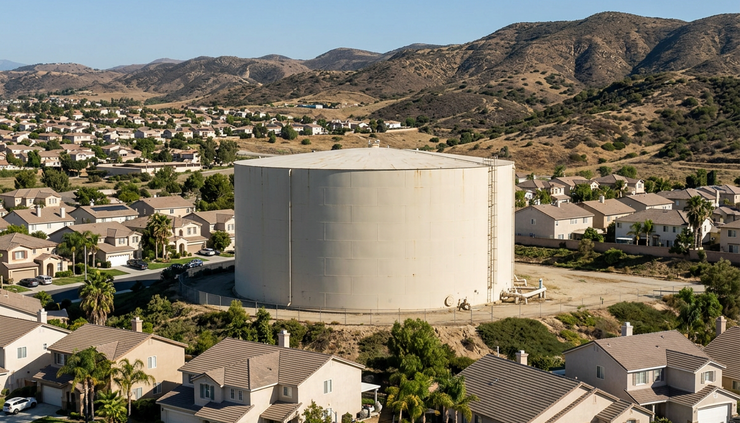
Why this local water board race deserves attention
The West Basin Municipal Water District is not a household name for many voters, but its work affects a wide stretch of southwest Los Angeles County. The district helps supply water to local communities and works on regional water reliability, conservation, and recycled water projects.
Unlike a mayor or city council member, a water board director does not usually become the public face of every neighborhood issue. The job is narrower, but the stakes are high. Water agencies prepare for drought, negotiate supply questions, weigh infrastructure spending, and communicate with cities, businesses, and residents about conservation.
For Division 2 voters, the race is a chance to decide what kind of experience belongs on that board.
Carol Raines Brown’s campaign draws attention because she has already held a public leadership role. As a former Inglewood Unified school board president, she has experience in a setting where board members must listen to the public, review budgets, work with staff, and make decisions that can affect families for years.
That does not make water policy the same as education policy. It does make her candidacy more than a name on a ballot. It gives voters a record of public service to examine, along with questions about her approach to water affordability, reliability, and governance.
A local water board seat can sound technical, and in many ways it is. But it is also political in the best civic sense. Board members help set priorities. They decide how public agencies explain difficult tradeoffs. They shape how transparent and responsive a district feels to the people it serves.
What the West Basin Municipal Water Board does
Water boards operate in the space between invisible infrastructure and everyday necessity. Much of their work happens before a resident turns on a faucet, waters a yard, or hears about drought restrictions.
West Basin’s role includes regional water supply planning and programs connected to recycled water and conservation. In Southern California, that work matters because local agencies cannot depend on one easy source of water. Imported water, groundwater, recycled water, stormwater capture, and conservation all play roles in the larger water picture.
A board director may deal with issues such as:
Water reliability
Planning for dry years, supply limits, and future demand.
Recycled water
Supporting projects that use treated water for purposes such as irrigation and industrial needs where appropriate.
Public spending
Reviewing budgets, contracts, capital projects, and long-term financial plans.
Conservation programs
Encouraging efficient water use without making rules confusing or unfair.
Public accountability
Making sure residents can understand what the district is doing and why it matters.
Not every water-related problem falls under the district’s direct control. Local pipes, retail water bills, and city-level water rules can involve separate agencies. That distinction matters. A good campaign should help voters understand what the office can actually do.
That is one of the challenges for any candidate in this race. Voters need more than general statements about clean water or lower costs. They need clear explanations of how the board’s authority works, where the money goes, and how decisions affect communities over time.

How Brown’s school board experience may shape the campaign
Carol Raines Brown’s background on the Inglewood Unified school board gives her campaign a clear starting point. School boards and water boards serve different missions, but they share several core responsibilities.
Both require board members to oversee public funds. Both involve long public meetings, staff reports, policy votes, and residents who want straight answers. Both ask leaders to balance immediate needs against long-term plans.
A school district board member may deal with classrooms, facilities, staffing, student programs, and state rules. A water board member may deal with water purchases, recycled water infrastructure, contracts, and conservation plans. The subjects differ, yet the governing habits can carry over.
For Brown, the campaign may rest on whether voters see her education background as a useful foundation for water leadership. Supporters may point to her experience with public institutions and community concerns. Critics or undecided voters may ask how prepared she is for the technical demands of water supply, treatment, and regional planning.
That is a fair line of inquiry in any specialized race.
The strongest version of her candidacy would likely answer questions such as:
What water supply challenges does she see as most urgent for Division 2?
How would she approach affordability while still funding needed projects?
What does transparency look like at a regional water district?
How should West Basin communicate with residents who do not follow water policy?
What lessons from school board service apply to water governance?
These are not abstract questions. Southern California water agencies face pressure from drought cycles, aging infrastructure, state regulations, imported water limits, and rising project costs. Board members need to understand staff recommendations, ask clear questions, and explain decisions in plain language.
That plain language piece matters. Water policy can quickly become a maze of acronyms and technical terms. A candidate with experience talking to families, educators, and local residents may have an opening to make the race more accessible.
The issues likely to define the Division 2 seat
The West Basin Municipal Water Board Division 2 race is likely to turn less on ideology and more on trust, competence, and priorities. Voters may not follow every detail of regional water planning, but they understand the larger concerns.
Affordability will be one of them. Water costs are tied to supply, treatment, energy, infrastructure, and regulatory needs. A board member cannot simply wish those costs away. Still, residents have a right to know how rate-related decisions are made, how contracts are reviewed, and how the district weighs the burden on households.
Reliability is another. Southern California has lived through repeated drought warnings and conservation campaigns. Even in wet years, the region must plan for dry ones. The board’s work can affect how prepared the area is when water supplies tighten.
Recycled water will also remain central. Recycled water can reduce pressure on imported supplies when used for the right purposes and supported by sound infrastructure. It also requires public understanding. People need to know what recycled water is, where it is used, and why it matters.
Climate resilience sits behind many of these debates. Hotter conditions, changing precipitation patterns, and pressure on major water sources all force local agencies to plan further ahead. A water board race should give voters a chance to hear how candidates think about those long-range risks.
Transparency may be the issue that connects everything else. Voters often tune out special district elections because the agencies feel distant. Candidates can change that by explaining decisions clearly, showing up in community settings, and treating public questions as part of the job.

A campaign for this seat should also make room for practical neighborhood concerns. Residents may ask whether conservation rules are fair, whether public agencies coordinate well, and whether water programs reach renters as well as homeowners.
Those questions do not always produce simple answers. For example, turf replacement programs may help some property owners but do less for people who rent. Industrial recycled water projects can save potable water, but they may not be visible to the average resident. Long-term infrastructure can protect future supply, but it can also require spending that raises hard budget questions.
That is why board seats matter. The work is not only technical. It also involves values, judgment, and communication.
What voters should watch as the campaign develops
As Carol Raines Brown seeks the Division 2 seat, voters can look beyond campaign slogans and focus on signs of readiness.
One useful place to start is her public explanation of the job. A strong candidate should be able to describe what West Basin does, what it does not do, and how a single board member can be effective without promising powers the office does not have.
Voters can also watch how she talks about her school board record. Experience is valuable, but it should connect to the new role. Brown’s past leadership in Inglewood Unified may help establish familiarity and public-service credentials. The campaign still needs to show how that background informs water policy decisions.
Candidate forums, interviews, mailers, public statements, and official filings can help clarify the race. Voters should look for specifics rather than broad claims.
Helpful details may include:
Clear priorities for Division 2
A realistic view of water affordability
Knowledge of recycled water and conservation programs
A plan for public communication
Attention to renters, seniors, homeowners, small businesses, and public facilities
Respect for the limits of the office
Endorsements can matter, but they should not replace a close look at the candidate’s own positions. The same goes for campaign money. Contributions and support can tell voters something about a candidate’s network, but the central question remains whether the person is prepared to govern well.
Special district elections are often decided by voters who take the time to learn what the office does. That gives each forum answer and public statement extra weight. In races with lower visibility, clarity can become a major advantage.
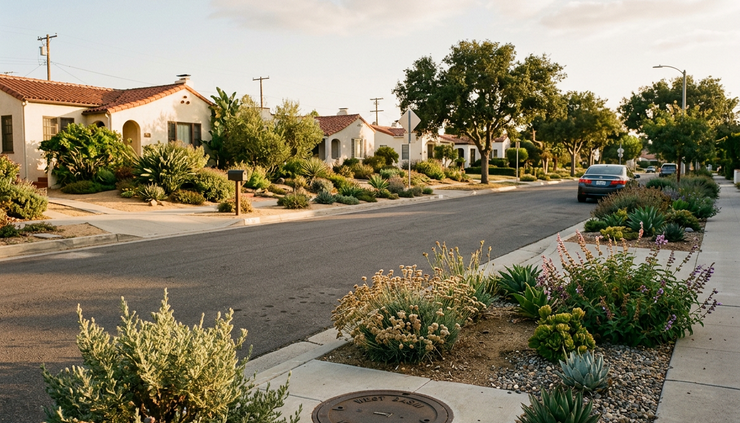
The takeaway for Division 2 voters
Carol Raines Brown’s run for the West Basin Municipal Water Board Division 2 seat brings a known Inglewood public figure into a race that deserves more attention than water board contests often receive.
Her school board background gives voters a record of public service to weigh. The water board role gives her a new test: showing command of water reliability, affordability, recycled water, public spending, and long-term planning.
The most useful campaign will be one that helps residents understand both the candidate and the office. Water policy can seem distant until rates rise, drought rules change, or infrastructure fails. Division 2 voters have a chance to look closely before those decisions reach their taps, parks, schools, and neighborhoods.

Comments